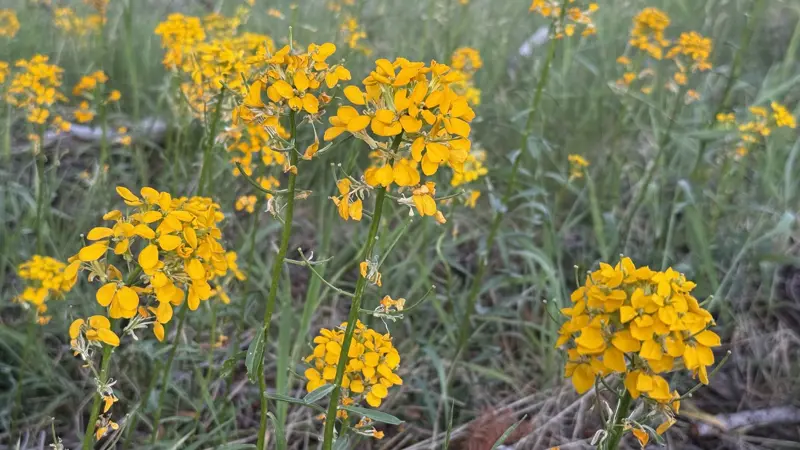
Create native habitats. Find the Oregon native plants suited to your yard.
We build a detailed model of your yard, from monthly sun and shade to soil and water flow, and compare each area to tens of thousands of places where native plants grow wild.

Plants for each area of your yard
Every spot in a yard gets its own ranked list of Oregon native plants, scored by how closely it resembles the places each one grows wild.
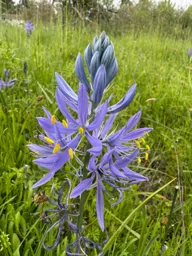
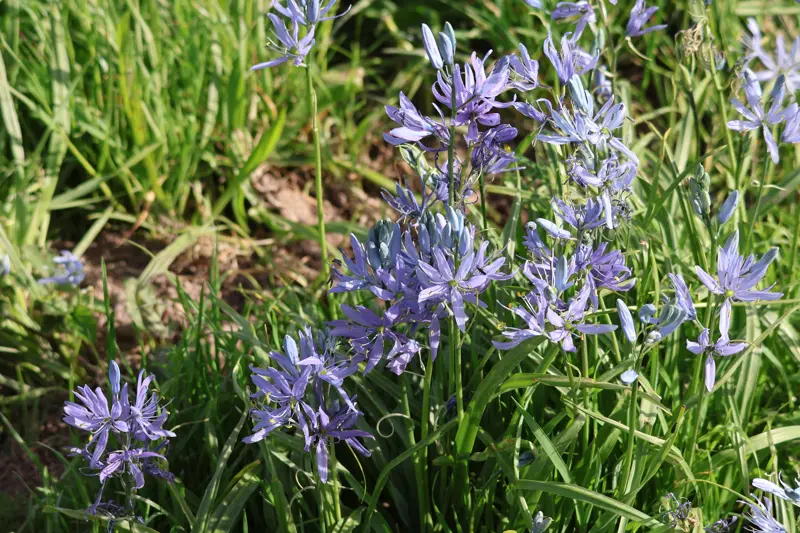
Common Camas
Camassia quamash
Closer to where this plant grows wild than 81% of the places it has been found wild.Very similar
Matches where it usually grows: distance to a stream, height above a stream and stream water
Photo: Parker James Lloyd, CC BY 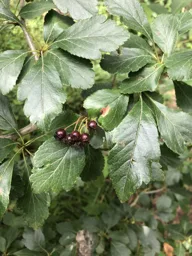
Black Hawthorn
Crataegus douglasii
Closer to where this plant grows wild than 76% of the places it has been found wild.Very similar
Matches where it usually grows: height above a stream, soil depth and stream water
Photo: Kieran Hanrahan, CC BY 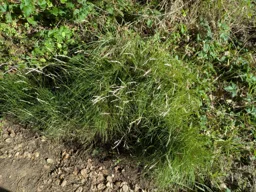
Slender Hairgrass
Deschampsia elongata
Closer to where this plant grows wild than 66% of the places it has been found wild.Very similar
Matches where it usually grows: height above a stream, winter cold and stream water
Photo: Eugene Eric Kim, CC0
See every spot on this yard, with all 171 plants ranked at each one.
Explore the example yardHow it works
We simulate the growing conditions in every part of your yard from public data, then score each area with models trained on the places Oregon's native plants grow wild.
Why we built it
Most advice about what to plant is written for a whole region. A yard is not a region: the shady corner by the fence and the sunny strip by the driveway are different places for a plant.
The planner looks at each area on its own, so the plants it suggests fit where they would actually go.
What we model
We read light, heat, dryness and frost at the height each plant actually grows to, not just at ground level.
What our map can't see
- What is under the surface: buried rubble, fill, or an old foundation.
- Anything newer than the public maps: a new fence, a felled tree, a fresh patio.
- How you water, mulch and care for your garden.
- Pockets smaller than our map can see, like a warm wall or a dripping gutter.
About Green Tapestry
We help Oregon gardeners create native habitats, with plants suited to each part of their yard.
Green Tapestry is a small team in Oregon. Oregon is home to a remarkable variety of native plants, and many of them could thrive in your yard. But working out which ones suit each part of it takes a lot of research and trial and error. In the wild, even a small patch of native ground holds many different plants, woven together like a tapestry. We started Green Tapestry so anyone can create that kind of rich, varied habitat in their own yard, quickly and confidently.
So we built the Native Plant Planner. It simulates the sunlight, water, heat and cold in every part of your yard. We ran the same simulation at tens of thousands of places where native plants grow wild, and trained a species distribution model for each of hundreds of Oregon natives: a model that learns the conditions a plant grows in.
Contact us
Questions about the planner, or about what it shows for your yard? Write to us and a person will answer.